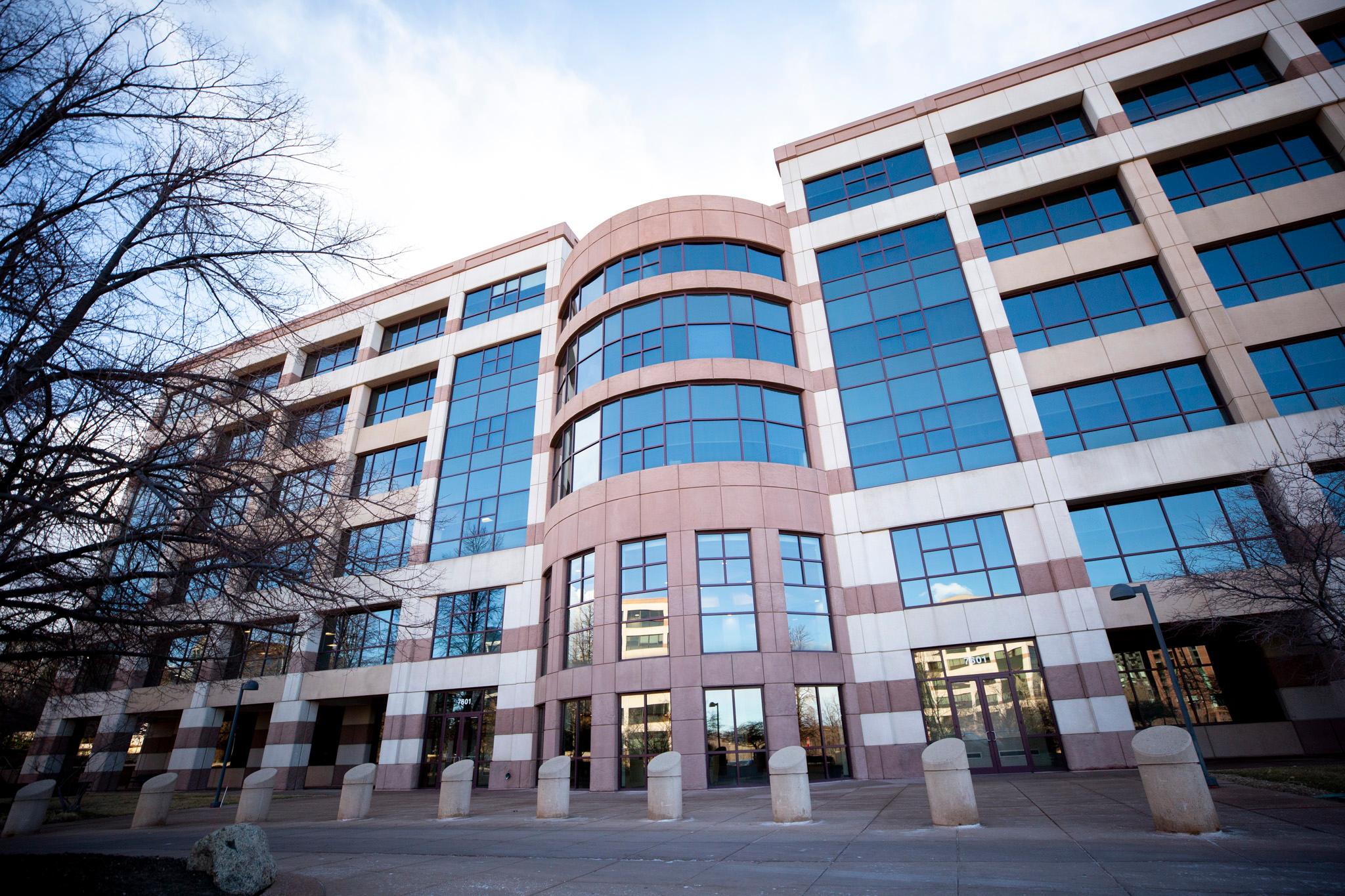
It could be anywhere in the Denver Tech Center — a six-floor office building surrounded by parking lots and roundabouts.
Yet the 30-year-old structure on Technology Way may soon become a dramatic example of the changes sweeping the city’s real-estate market.
Earlier this year, a developer filed paperwork to potentially demolish the 140,000-square-foot building, replacing it instead with about 660 new rental units.
This kind of teardown is likely to become more common as office buildings sit empty and lose value around the Denver metro. Not far away, the former headquarters of Arrow Electronics was torn down just 24 years after it was built — also to make way for housing.
Jessica Ostermick, senior managing director for CBRE in Colorado, expects that more property owners will demolish office buildings in the coming months and years, whether it’s an office block in the Denver Tech Center or even an empty skyscraper in downtown Denver.
“I am all for every creative solution that we can find to sustainably reuse property, find different uses for them, but at the end of the day, it has to pencil (financially),” Ostermick said.
“And if subsidies, which some of the local governments are able to provide, aren't enough (to fund conversion), because it's a really expensive endeavor, then I think we can't be afraid of using the ‘demolition’ word,” she continued.
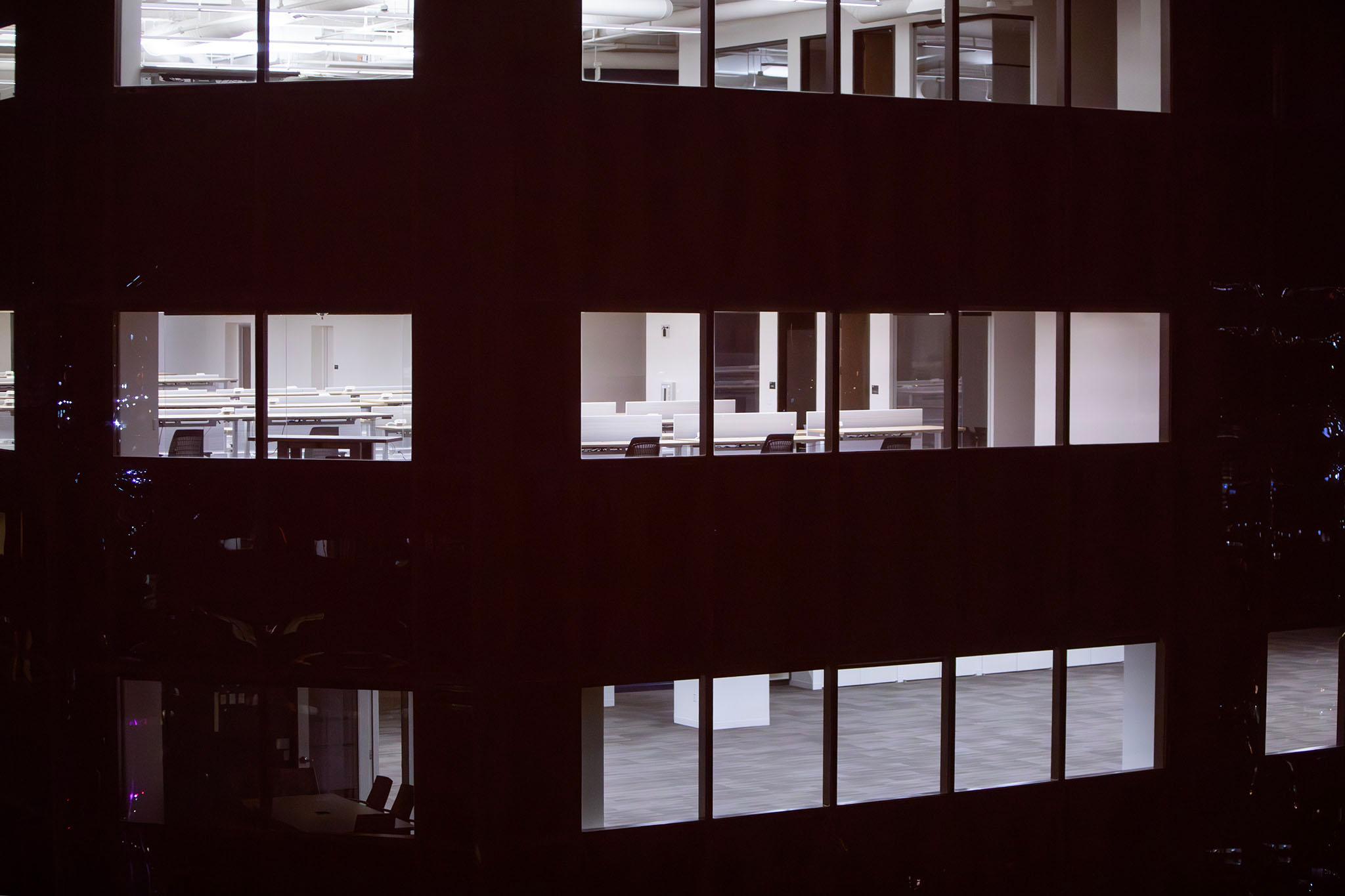
Demand for office space dropped dramatically in Denver as the pandemic sent workers home in 2020. Years later, nearly 30% of office space remained vacant around the city at the end of 2025. The impact in downtown was even more pronounced, with about 38% of space empty.
As a result, the value of office buildings has dropped dramatically, and many of their owners are in financial trouble. Those lower price points have opened the door for big changes. In some cases, developers are converting office buildings into residential towers. But that’s not always feasible, especially with more modern buildings, which are expensive to convert with their sprawling floors and non-opening windows.
Instead, we may see more torn down — even if they were only built a few decades ago.
Denver’s market is especially weak.
Denver’s not the only city with office troubles, but it has recovered slower than many other areas. As a whole, the U.S. office market began rebounding early in 2024, when it again posted “positive net absorption.” But that didn’t happen for Denver until the final quarter of 2025.
Positive net absorption means, essentially, that the vacancy rate decreased.
“We haven't been able to say that since early 2022,” Ostermick said.
Denver has lagged in part because tech companies have been slow to return to downtown offices or expand their presences here. In contrast, cities like New York, San Francisco, Seattle and Dallas have seen companies seek “really large” requirements, or chunks of office space, Ostermick explained. Much of that is due to the AI boom.
“Some of these other really leading tech markets, they have already seen a huge uptick in demand,” she said. “And that's what Denver's waiting for, right? We're waiting our turn, essentially.”
Still, Ostermick is optimistic that vacancy rates will start to come down. And while 40% vacancy may sound scary, she doesn’t think that reflects the true health of the market. Some towers are doing much worse, especially older ones.
Meanwhile, newer, pricier buildings have lower vacancy and have maintained higher prices. The upscale Cherry Creek area has fared especially well.
“Occupiers aren't necessarily considering those (especially troubled) buildings to locate to because they're not able to fund tenant improvements, and frankly, they're a riskier bet for a going concern of a business," Ostermick said. "So when you peel back the layers, we feel that headline vacancy is deceptively negative. But we've still got, like I said, wood to chop this year.”
There’s one more factor that could help current office owners: There’s no new competition for tenants. Pretty much nobody is building new offices in Denver right now. Instead, they’re tearing them down.