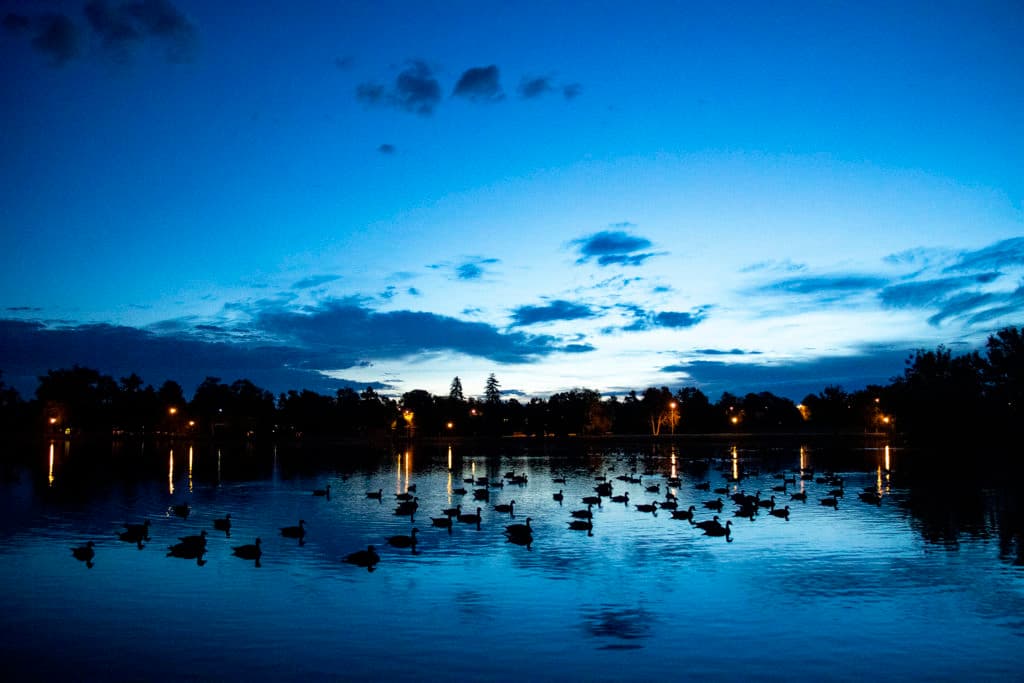
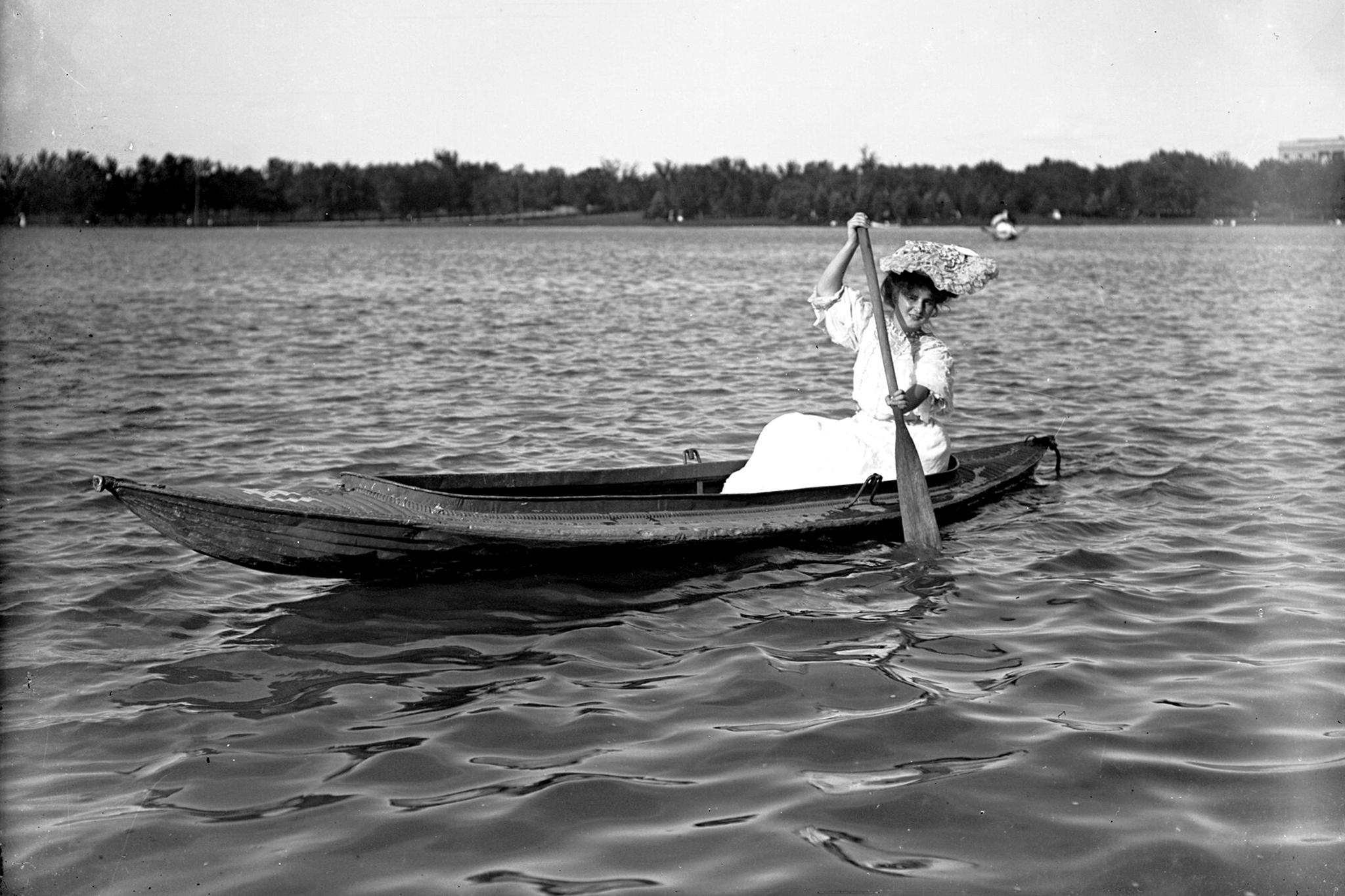
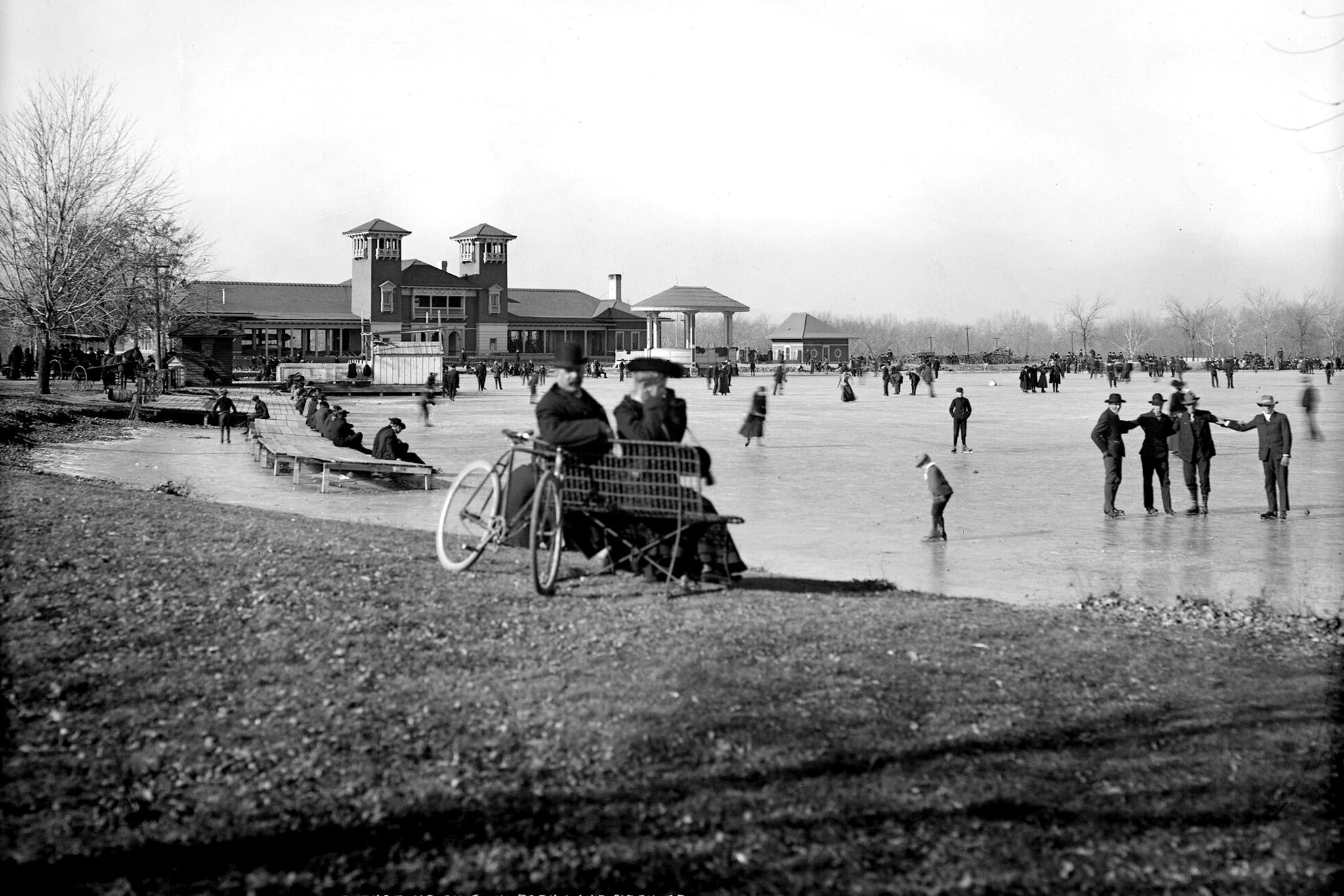
Growing up in Denver, Denverite reader Ann Lemberg would read poetry by the lakes in City Park — when she wasn’t skating on them. Decades later, she still wonders how those picturesque lakes ended up in Denver’s high desert landscape.
“I’m fascinated by how the lakes in the city might’ve developed or evolved,” she asked recently as part of our Colorado Wonders feature. “And why did they stop ice skating?”
Like most of Denver’s bodies of water, the park’s lakes are recent developments. They are manmade — part of a big, ambitious park conceived in the late 1800s.
“It was Denver's first city park, and it was the dream of Mayor Richard Sopris,” said historian Tom Noel, aka Dr. Colorado.
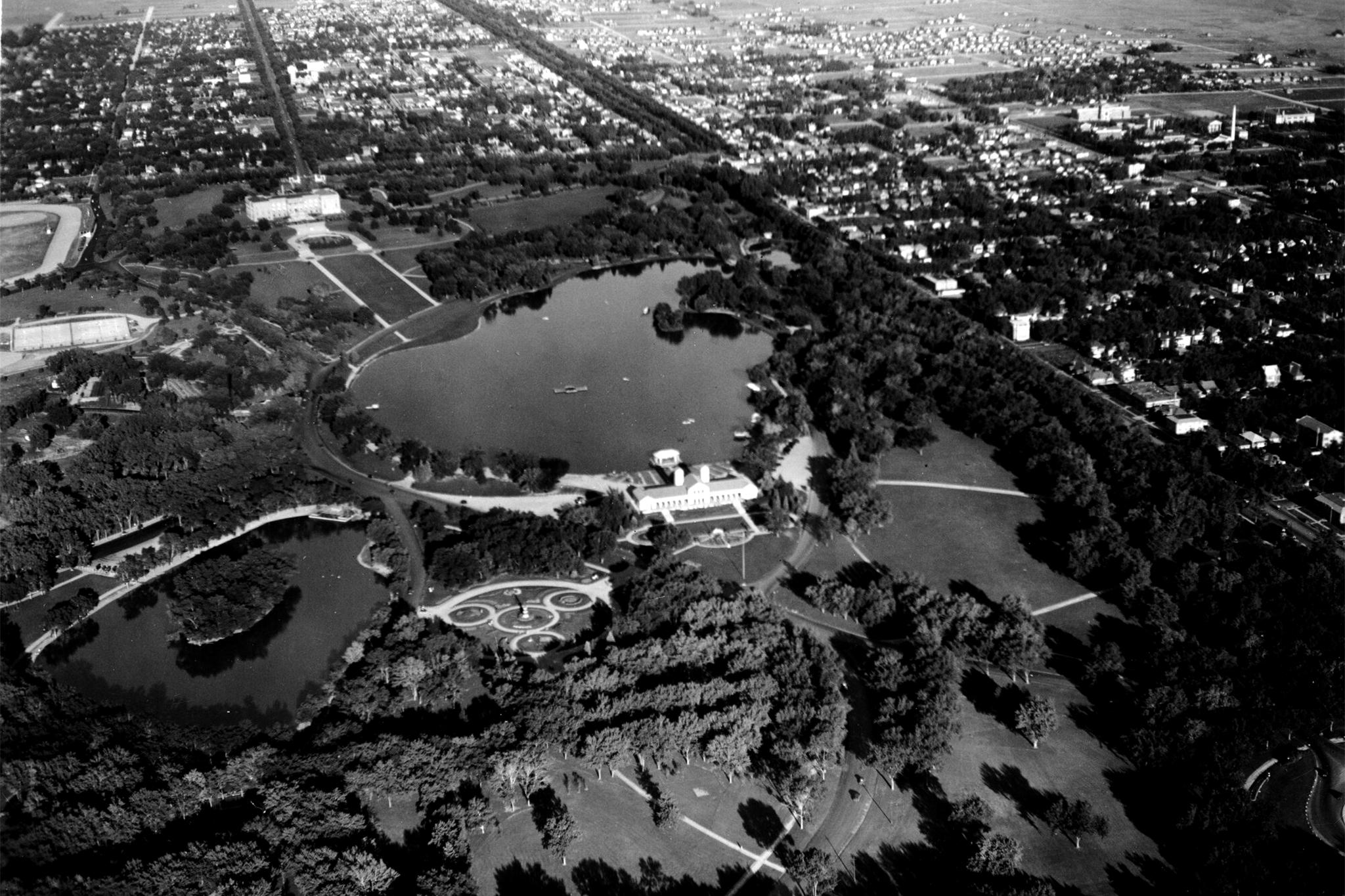
Sopris wanted Denver to have a big park, like he’d seen in New York, and he wanted it to be a leisure space for Denverites. And part of that design was Duck Lake, built in 1887 — complete with an island for birds.
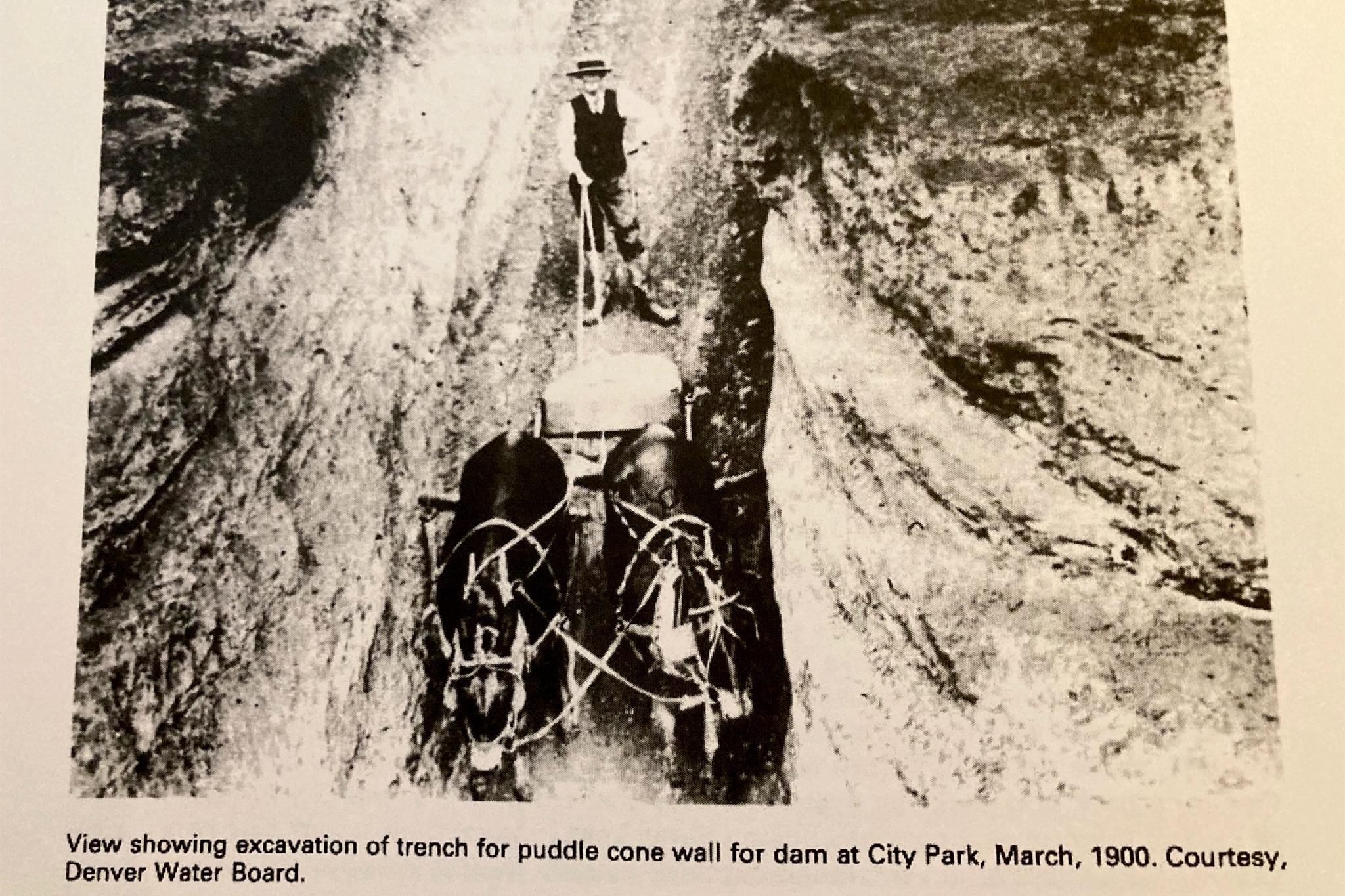
Another one, the “Big Lake” — followed a few years later. Noel wasn’t positive of how it was built, but suspected the city’s earliest manmade lakes were made with crews of horses and men.
The city’s early builders also had to bring water to the lakebeds.
The lakes in City Park are fed by the City Ditch, an ambitious 19th-century infrastructure project that transformed dry prairie into urban gardens with water from the South Platte.
The lakes have changed over time. The “Big Lake” used to have gentle shores and was once used as an irrigation reservoir and emergency water source.
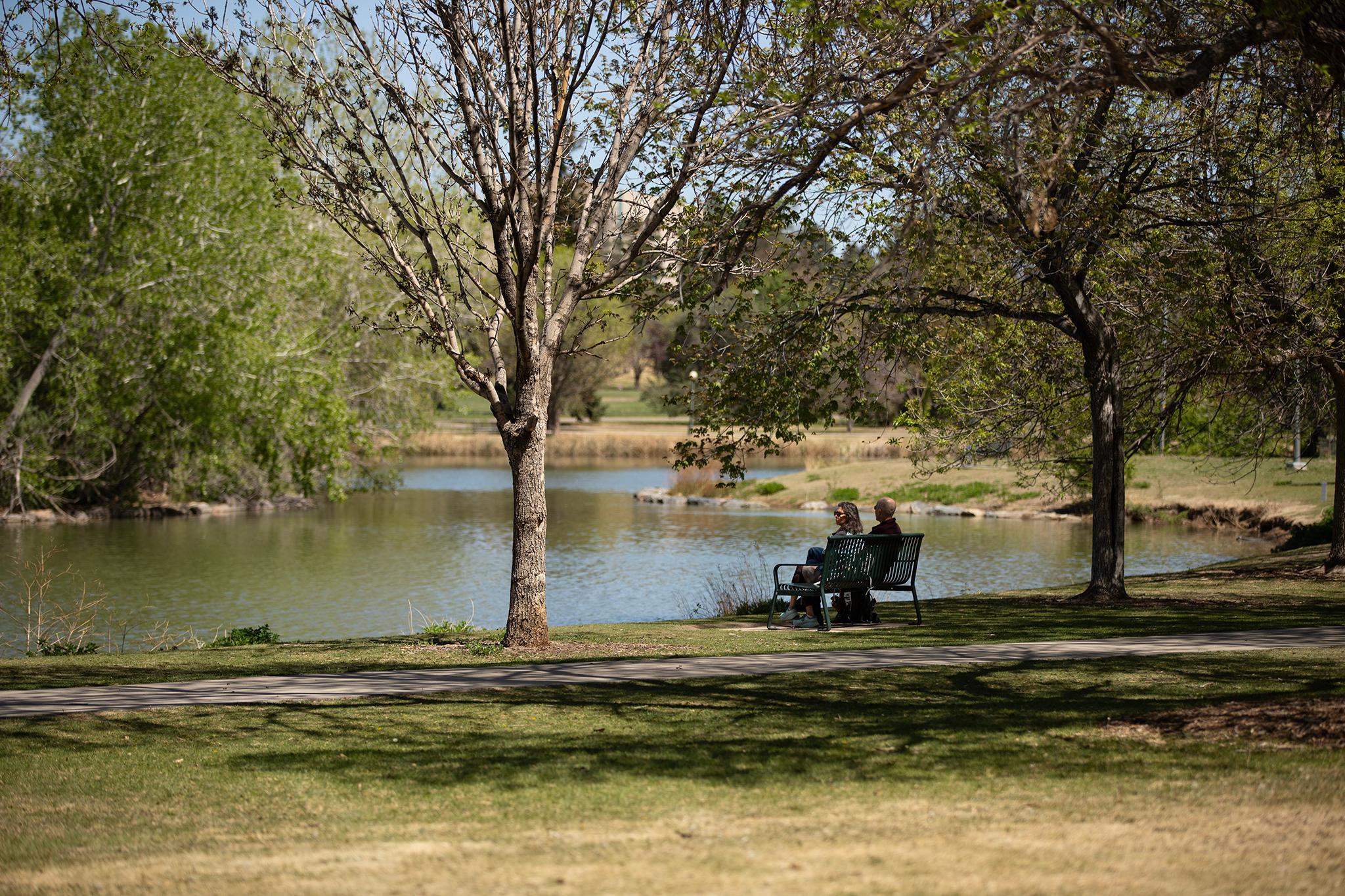
Along the way, Mayor Robert Speer added and expanded features like the science museum, the boathouse and the Denver Zoo — part of the City Beautiful movement.
“It's beautiful today,” Noel said.
The “Big Lake” also had its name changed “to Ferril Lake in honor of the poet Thomas Hornsby Ferril, our greatest poet — who wrote a famous poem walking around City Park,” Noel said.
“This Lake is Mine” can be read on a plaque at City Park. It begins: “Spaniel and stick, I walk around a lake, in City Park in Denver, Colorado. We walk an hour: an hour’s an increment. Of history to any hickory stick.”
As for ice skating, which Lemberg also asked about: While thousands of skaters once glided across frozen lakes in the city’s parks, city leaders decided decades ago that it had become far too dangerous. It has been banned for many years.